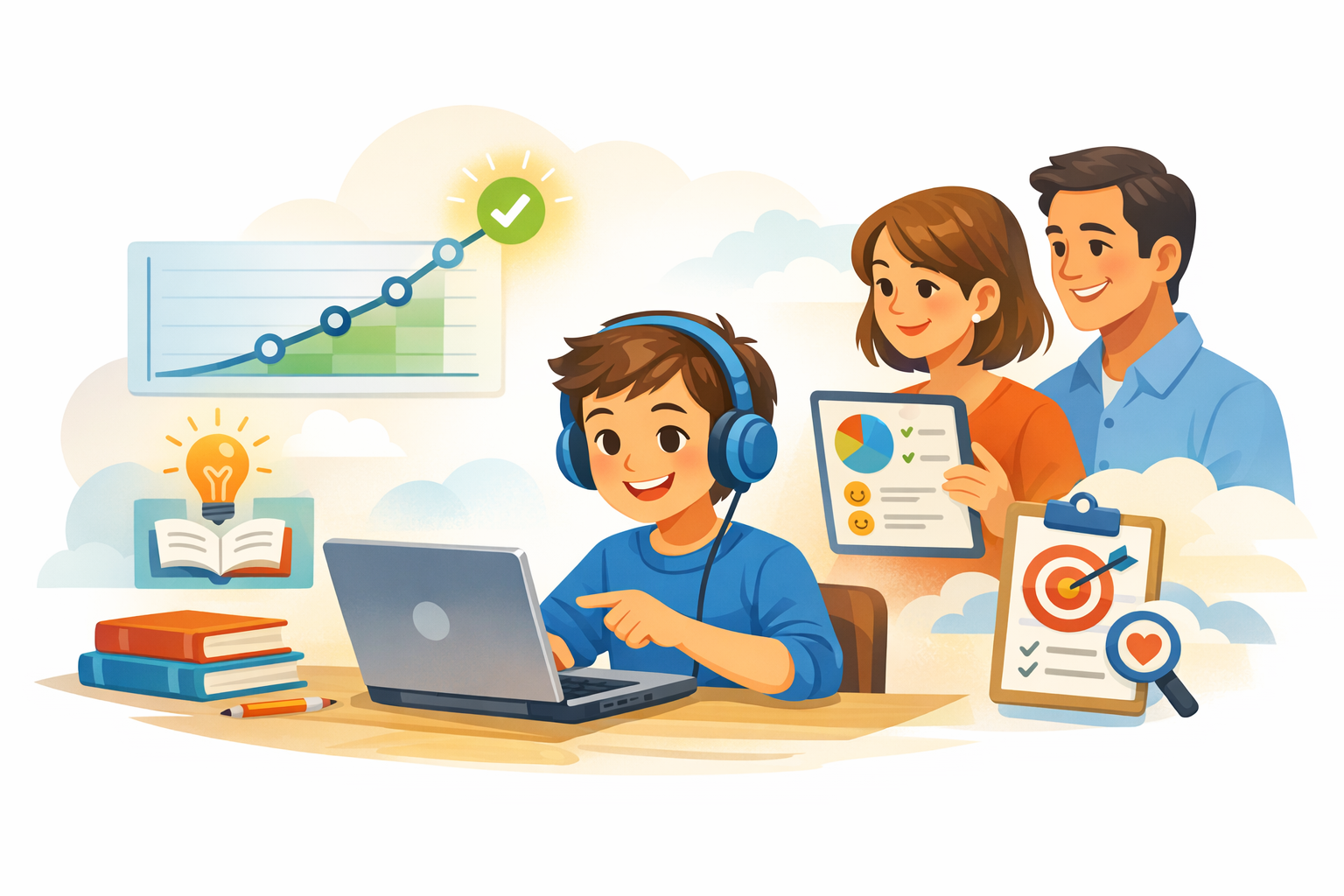
Teaching Students to Use AI Wisely: A New Essential Skill for Young Learners

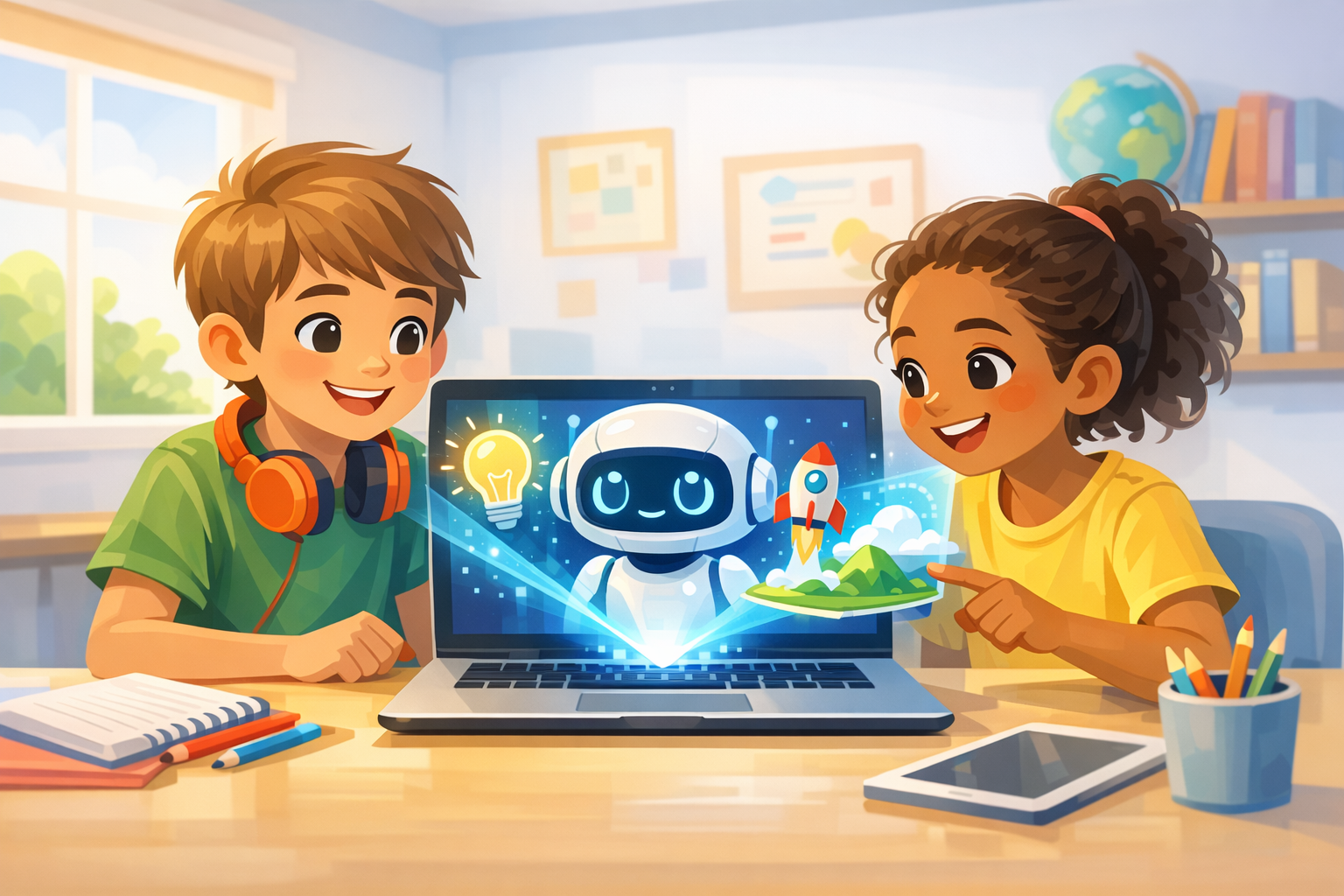
Artificial intelligence is no longer a futuristic idea students might encounter someday. It is already here, helping people write, design, code, translate, research, organize ideas, and solve problems in new ways. For today’s children, AI may become as common as calculators, search engines, and word processors were for previous generations.
That is why teaching proper AI use in education matters so much. Students do not simply need access to AI tools; they need guidance, judgment, and a strong sense of responsibility. When young learners understand how to use AI ethically and effectively, their creativity can expand in extraordinary ways. With the right support, this generation can turn imaginative ideas into projects, inventions, stories, businesses, and solutions faster than any generation before them.
Why Students Need AI Guidance Now
Many students are already curious about AI. Some use it to ask questions, generate ideas, practice writing, or get help with homework. Others may use it without fully understanding its limitations. If children are not taught how AI works and how it should be used, they may develop habits that weaken learning instead of strengthening it.
Proper AI education helps students understand that AI is a tool, not a replacement for thinking. It can support learning, but it cannot take the place of curiosity, effort, honesty, or original understanding. Just as students learn how to evaluate websites, cite sources, and show their work in math, they now need to learn how to interact with AI thoughtfully.
AI Should Amplify Learning, Not Replace It
One of the most important lessons students can learn is that AI should help them grow. It should not do all the work for them. If a student asks AI to write an entire essay and turns it in as their own, they miss the opportunity to practice organizing ideas, building arguments, and developing their voice. But if they use AI to brainstorm topics, ask for feedback, or create a study outline, they can become more confident and capable learners.
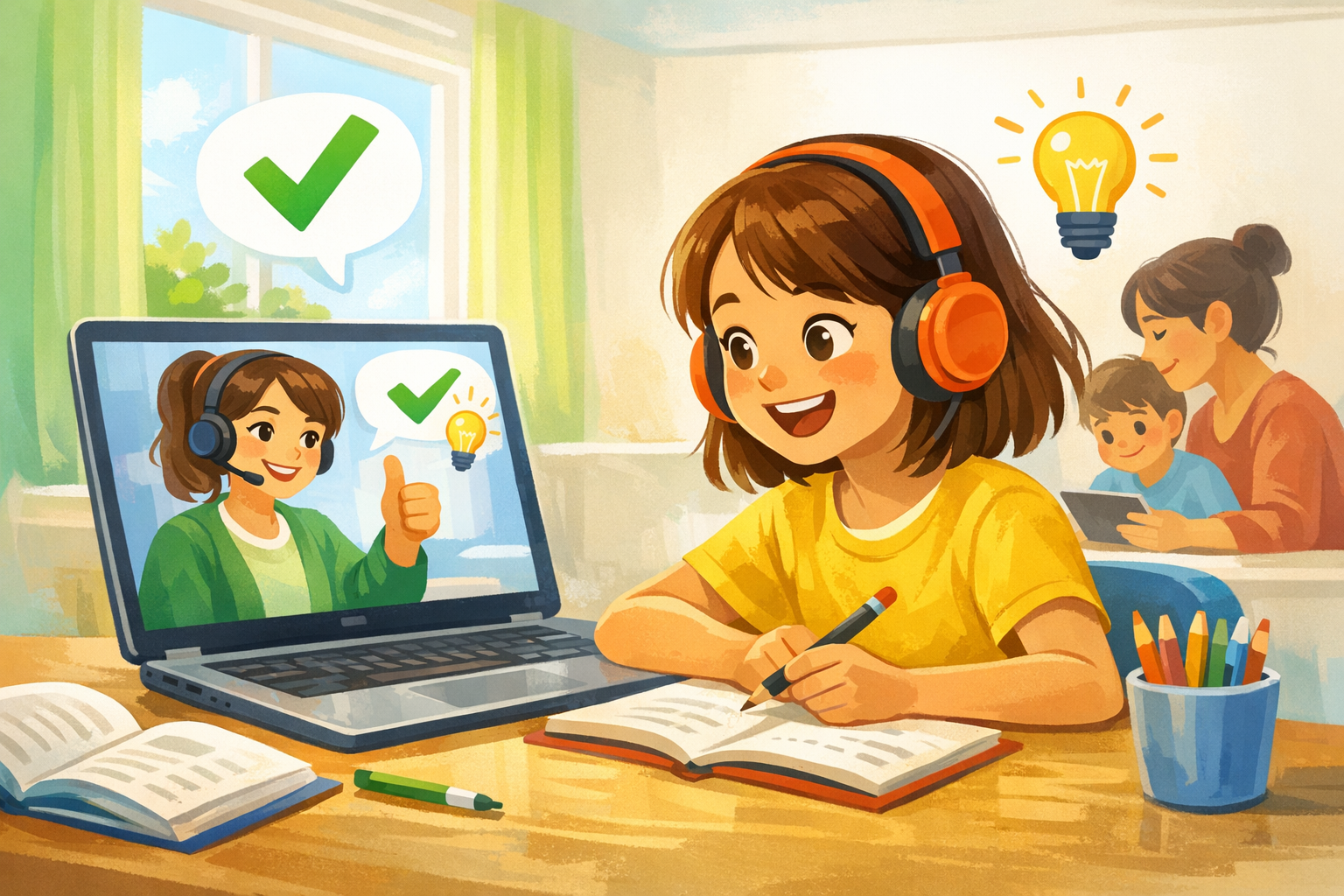
At EiFO Academy, we believe technology works best when it supports strong teaching and active learning. AI can help students explore deeper questions, practice difficult skills, and receive personalized support. However, students still need to read, think, revise, discuss, and create. The goal is not to make learning effortless; the goal is to make learning more powerful.
What Proper AI Use Looks Like for Students
Proper AI use begins with clear expectations. Students should know when AI is allowed, how it may be used, and what must still come from their own minds. The following principles can help families and educators guide children toward responsible use:
- Use AI as a helper, not a shortcut. AI can explain, suggest, quiz, and organize, but students should still complete the thinking and learning.
- Be honest about AI assistance. When a student uses AI for a project, they should be able to explain how it helped.
- Check information carefully. AI can make mistakes, so students should verify facts with trusted sources.
- Protect personal information. Students should not enter private details, passwords, addresses, or sensitive school information into AI tools.
- Keep creativity personal. AI can inspire ideas, but the student’s own voice, values, and imagination should lead the final work.
- Ask better questions. Students should learn that the quality of an AI response often depends on the clarity of the prompt.
Helping Children Become Critical Thinkers
AI literacy is closely connected to critical thinking. Students need to ask: Is this answer accurate? Is it biased? What information is missing? Does this sound like me? Can I explain this in my own words?
These questions help children move from passive technology use to active decision-making. Instead of accepting the first AI-generated answer, students learn to compare, question, refine, and improve. That process builds judgment, a skill they will need in school, future careers, and everyday life.
Teaching AI use is not only about teaching technology. It is about teaching responsibility, creativity, honesty, and independent thought.
Channeling Young Creativity Through AI
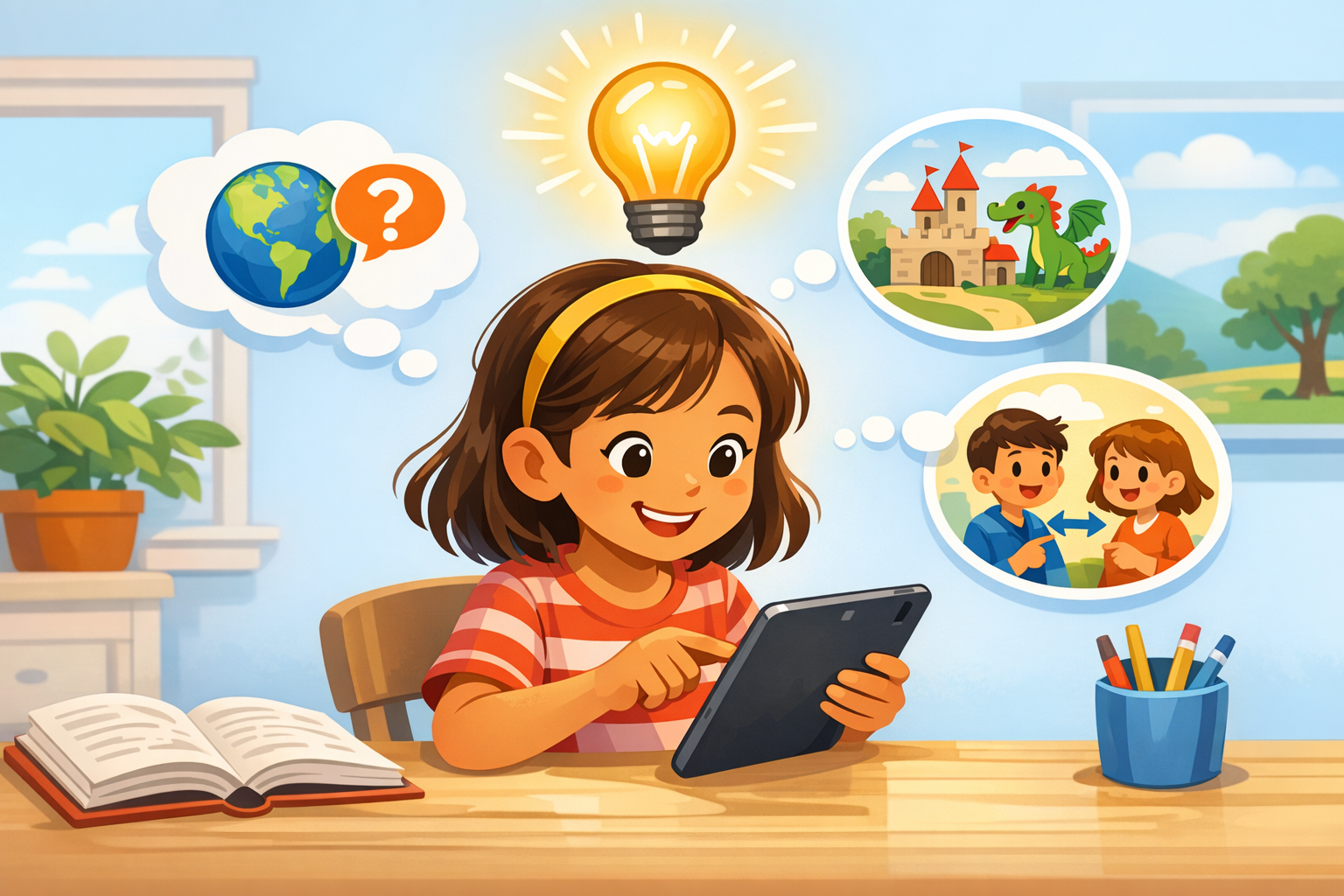
Children have remarkable imaginations. They dream up new worlds, inventions, characters, games, experiments, and solutions with ease. AI can become a bridge between imagination and creation. A student who loves animals might use AI to plan a wildlife awareness campaign. A child who enjoys storytelling might develop a book outline and then write each chapter in their own voice. A future engineer might ask AI to explain how bridges work, then design a model and test it.
When used well, AI can help students move from “I wish I could” to “How can I start?” It can lower barriers, provide instant feedback, and encourage exploration. But the child’s curiosity must remain at the center. AI should open doors, not decide the destination.
Practical Ways Parents and Teachers Can Teach Proper AI Use
AI education does not have to feel overwhelming. Families and educators can begin with simple, age-appropriate habits that make AI use transparent and thoughtful.
- Model responsible use. Show students how you use AI to brainstorm, organize, or learn without copying blindly.
- Discuss the difference between help and cheating. Use examples so students understand where the line is.
- Practice prompt writing. Teach students to ask clear, specific questions and refine their requests.
- Review AI answers together. Look for errors, missing details, or ideas that need improvement.
- Encourage reflection. Ask students, “What did AI help you with, and what did you do yourself?”
- Create project-based learning opportunities. Let students use AI as one tool in a larger process that includes research, discussion, writing, and presentation.
Building Ethical Habits Early
The earlier students learn responsible AI habits, the more naturally those habits become part of their learning identity. Children should understand that integrity matters, even when technology makes shortcuts easy. They should know that original effort is valuable, mistakes are part of growth, and learning is more important than simply producing a finished answer.
Ethical AI use also prepares students for a future workforce where collaboration with intelligent tools may be normal. Students who can use AI responsibly, communicate clearly, think independently, and solve problems creatively will have a major advantage.
The Future Belongs to Guided Creators
AI has the potential to transform education, but only if students learn how to use it with purpose. Young learners already have the creativity and imagination needed to dream boldly. With proper AI guidance, they can research more deeply, create more confidently, and bring ideas to life in ways that were once impossible.
At EiFO Academy, we see AI literacy as part of preparing students for the world ahead. The goal is not to make children dependent on machines. The goal is to help them become thoughtful, capable, ethical creators who know how to use powerful tools wisely.
If we teach students proper AI use now, we are not just helping them complete assignments. We are helping them build the skills to shape the future.