Why Instant Feedback Helps Students Learn Faster

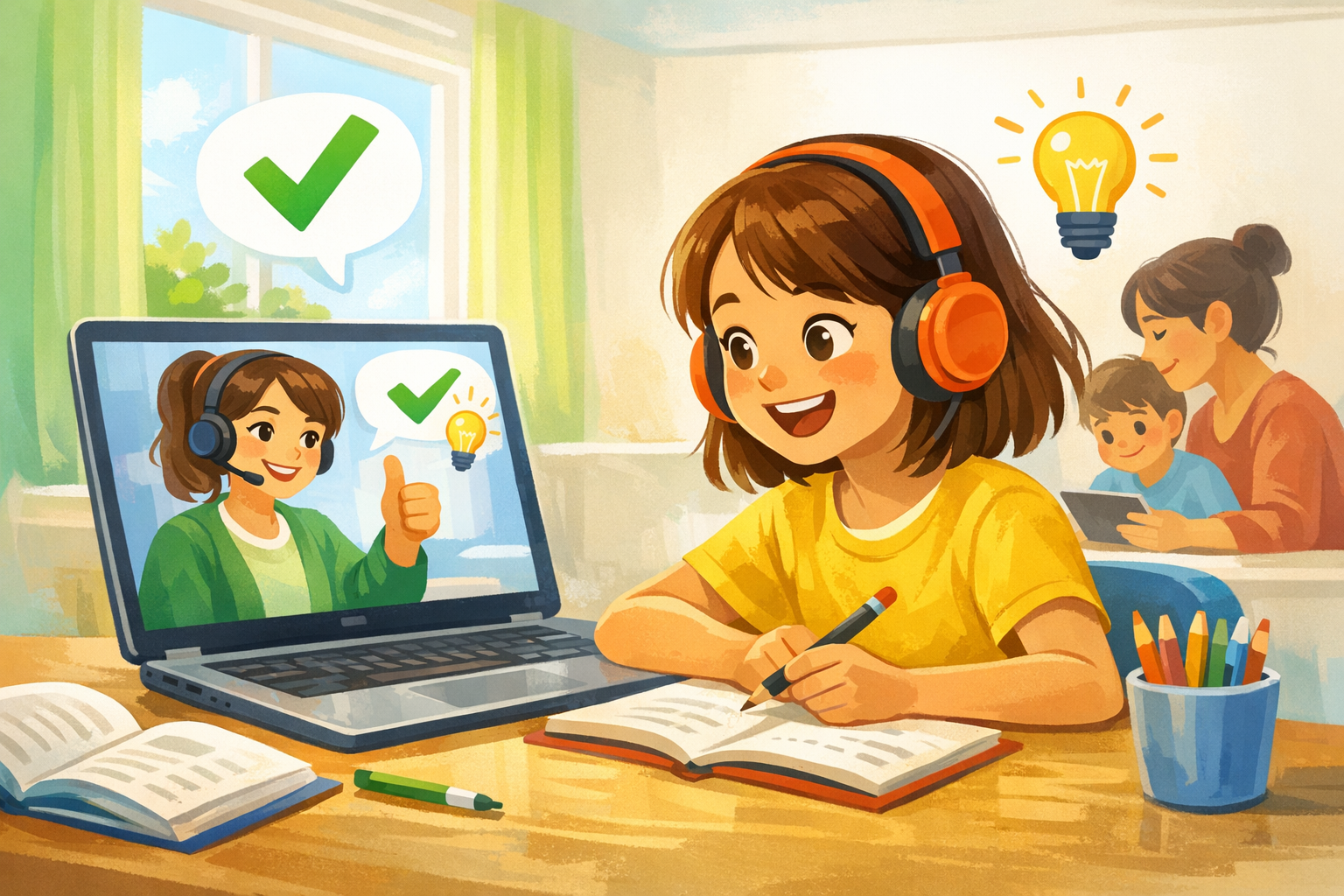
Every student has had the experience of finishing an assignment, waiting days to get it back, and then realizing they misunderstood a key idea. By that point, the class has moved on, the mistake feels discouraging, and the chance to fix it easily may have passed.
Instant feedback changes that learning cycle. When students receive timely guidance—right after answering a question, solving a problem, or practicing a skill—they can adjust their thinking immediately. For children in K-12, this can make learning faster, less stressful, and more motivating.
What Is Instant Feedback?
Instant feedback is information a student receives during or immediately after a learning activity. It can be as simple as “Try again,” “Check your subtraction,” or “Great job identifying the main idea.” In online learning, instant feedback may come through interactive quizzes, adaptive practice, teacher comments, hints, or step-by-step explanations.
At EiFO Academy, instant feedback is designed to help students understand not only whether an answer is right or wrong, but also why. This matters because the goal is not just completion—it is comprehension.
Why Timing Matters in Learning
Feedback is most effective when it arrives while the student’s thinking is still active. If a child makes a mistake in long division and receives feedback immediately, they can connect the correction to the exact step that caused confusion. If they wait a week, they may only remember that they “got it wrong,” not what they need to improve.
When feedback is immediate, students can turn mistakes into learning moments instead of letting them become habits.
This is especially important for subjects that build step by step, such as math, reading comprehension, grammar, science, and coding. One small misunderstanding can affect the next lesson. Instant feedback helps catch those gaps early.
How Instant Feedback Helps Students Learn Faster
1. It Corrects Misunderstandings Before They Stick
Children often practice what they think is correct. If they repeat an incorrect method several times, it can become harder to unlearn. Instant feedback interrupts that pattern. A student who misplaces a decimal point or confuses “their” and “there” can correct the error right away and practice the right approach instead.
2. It Builds Confidence Through Small Wins
Learning can feel overwhelming when students only see a final grade. Instant feedback gives them smaller checkpoints along the way. Each correct answer, helpful hint, or improved attempt shows progress. For many students, especially those who feel anxious about schoolwork, these small wins build confidence.
3. It Encourages a Growth Mindset
When feedback is timely and supportive, mistakes become part of the process. Students learn that a wrong answer is not a failure—it is information. This helps children develop a growth mindset, where effort, strategy, and practice matter more than being perfect on the first try.
4. It Keeps Students Engaged
Children are more likely to stay focused when they receive responses during an activity. Interactive learning feels more like a conversation than a worksheet. Instead of waiting passively for a grade, students stay involved: they answer, reflect, adjust, and try again.
5. It Supports Personalized Learning
Instant feedback also helps identify what each student needs next. One child may need extra practice with fractions, while another is ready for word problems. In a strong online learning environment, feedback can guide students toward the right level of challenge—not too easy, not too frustrating.
Instant Feedback vs. Delayed Feedback
Both instant and delayed feedback can be useful, but they serve different purposes. Instant feedback is especially helpful for skill-building and practice. Delayed feedback can be useful for larger projects, essays, or reflections where students need deeper teacher guidance.
| Feedback Type | Best For | Student Benefit |
|---|---|---|
| Instant feedback | Practice questions, math steps, vocabulary, quizzes, reading checks | Quick correction, confidence, faster progress |
| Delayed feedback | Essays, projects, presentations, complex assignments | Deeper reflection, detailed improvement plans |
The best learning programs use both. Instant feedback keeps daily learning moving, while thoughtful teacher feedback supports deeper development.
What Good Instant Feedback Looks Like
Not all feedback is equally helpful. A simple “wrong” can discourage a child if it does not explain what to do next. Effective instant feedback should be clear, specific, and encouraging.
- Clear: Students should understand what happened.
- Specific: Feedback should point to the exact skill or step.
- Actionable: Students should know what to try next.
- Encouraging: Feedback should support effort and persistence.
For example, instead of saying, “Incorrect,” helpful feedback might say, “Check the denominator. To add fractions, the denominators must match first.” This gives the student a path forward.
How Parents Can Use Instant Feedback at Home
Families do not need to recreate a classroom to make feedback effective. Small, timely responses during homework or online learning can make a big difference.
- Ask your child to explain their thinking. This helps reveal where confusion begins.
- Respond to the process, not just the answer. Say, “Your strategy was strong,” or “Let’s look at this step again.”
- Keep corrections calm and brief. Long lectures can overwhelm students.
- Celebrate improvement. Point out when your child uses feedback successfully.
- Use learning tools that provide immediate guidance. Interactive lessons can help students practice independently while still receiving support.
Why Online Learning Makes Instant Feedback Easier
One advantage of online education is that students do not have to wait until the next class to know how they are doing. Digital platforms can provide immediate responses, track patterns, and offer practice that adapts to the student’s needs.
For busy families, this means children can continue learning productively outside traditional classroom hours. For students, it means less guessing and more guided practice. EiFO Academy uses this strength of online learning to help students move at a pace that supports mastery, confidence, and curiosity.
The Bottom Line
Instant feedback helps students learn faster because it closes the gap between effort and understanding. Instead of waiting to discover mistakes later, children can correct them in the moment, build stronger habits, and feel more confident as they progress.
For K-12 learners, speed is not about rushing through lessons. It is about making every practice moment more effective. When students know what to improve right away, they spend less time feeling stuck—and more time growing.