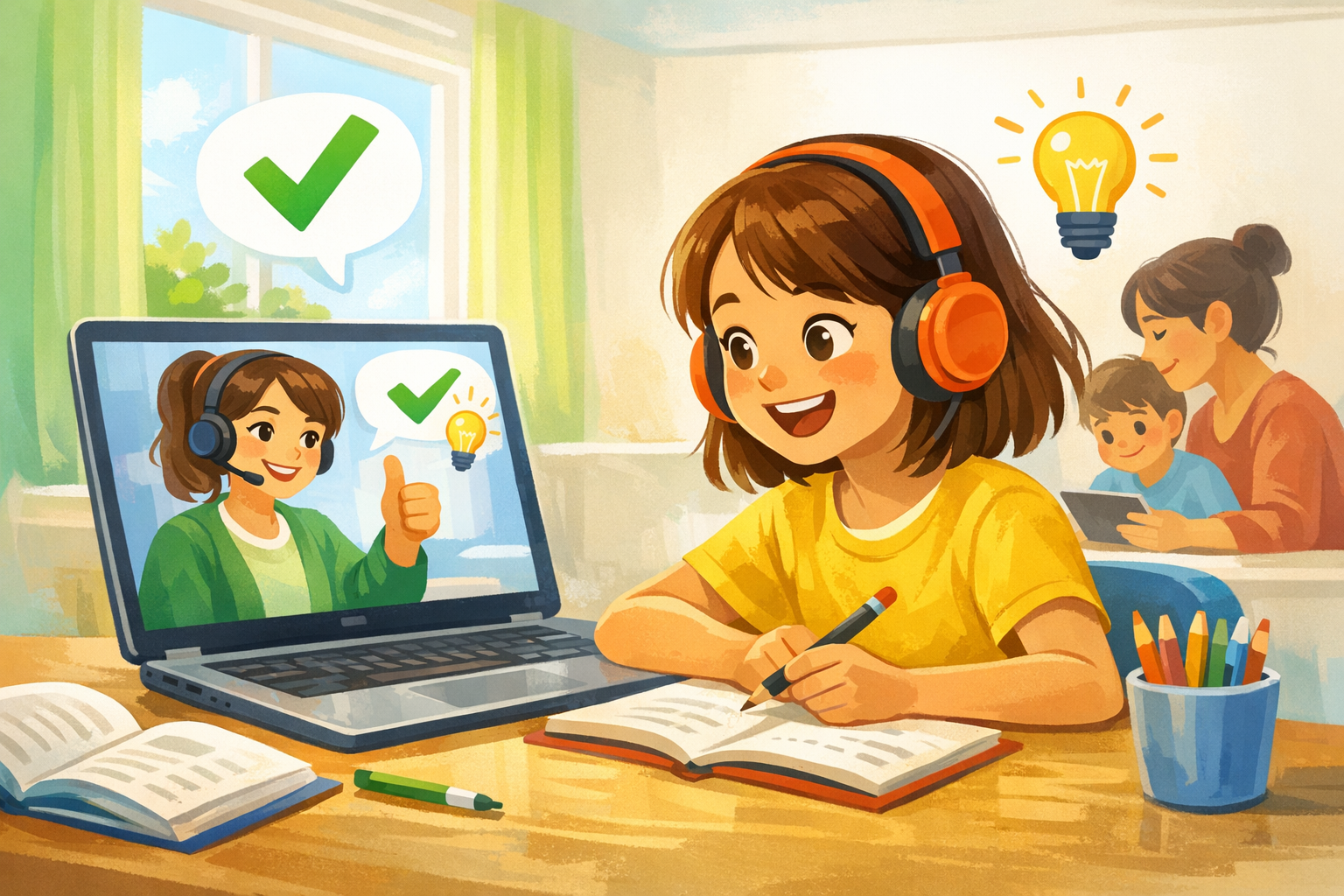
From Page Counts to Lightbulb Moments: How Reading Apps Can Measure Real Understanding

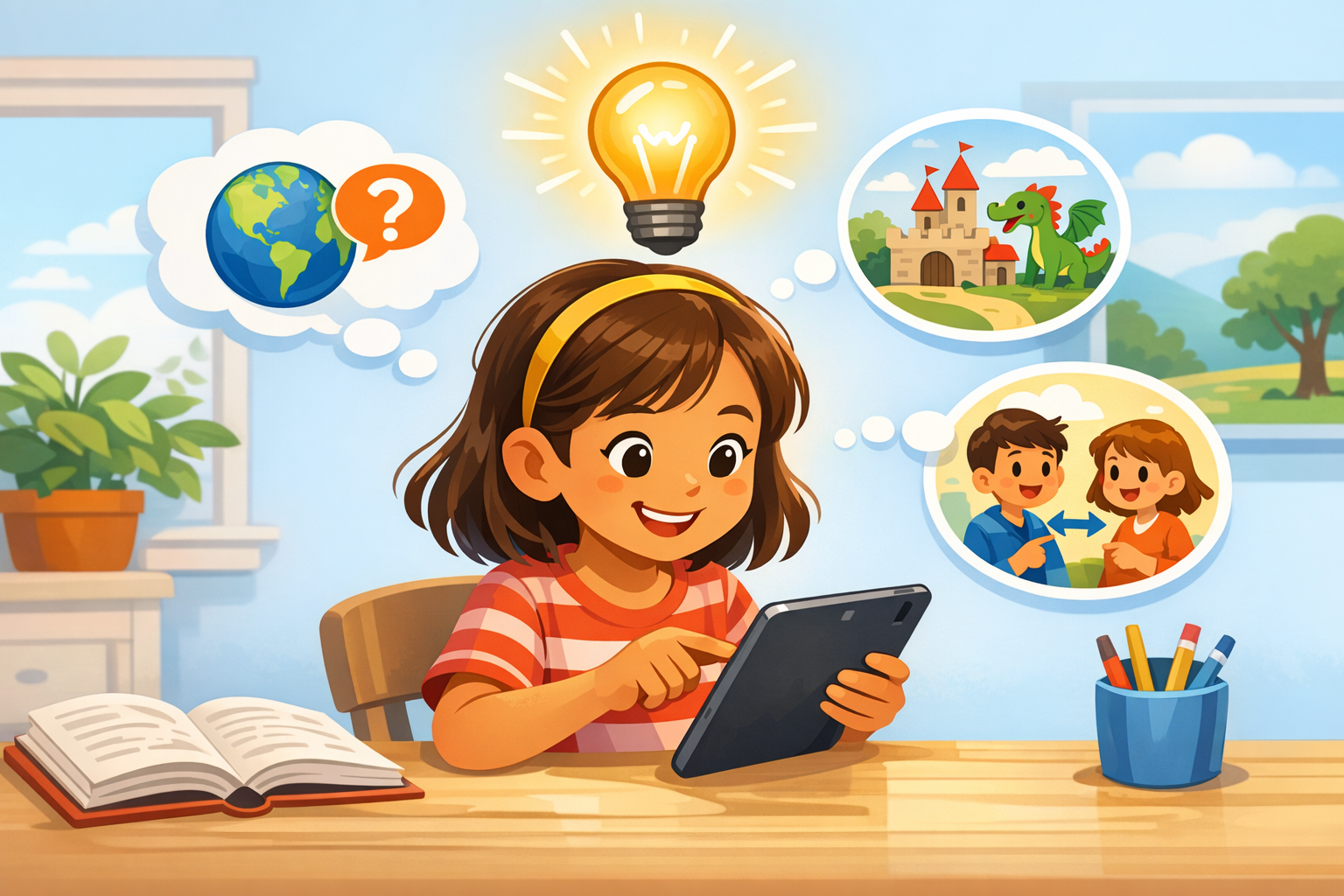
For many families and schools, reading apps have solved an important problem: they make books more accessible, track progress automatically, and motivate children to keep turning pages. But there is one question that matters even more than Did you finish?
That question is: Did you understand?
At EiFO Academy, we believe reading growth is not only about completing texts. It is about building vocabulary, making inferences, noticing themes, asking thoughtful questions, and expressing ideas with confidence. A child who finishes a story but cannot explain the main conflict, describe a character’s motivation, or connect the lesson to real life still needs support. A strong reading app should help reveal that support in a child-friendly way.
Why Completion Is Only the Beginning
Completion data is useful. It can show reading stamina, consistency, and engagement. If a student opens a book, reads regularly, and finishes chapters, that is worth celebrating.
However, completion alone can be misleading. A child may skim pages, miss key details, or rely on audio without processing the meaning. Another child may read slowly but deeply, stopping to reread, wonder, and reflect. If an app only rewards speed or page count, it may overlook the richer habits that create lifelong readers.
The goal of reading is not to reach the last page. The goal is to build meaning along the way.
What “Understanding” Looks Like in K-12 Reading
Reading comprehension changes as children grow. Younger learners may focus on recalling events and recognizing characters. Older students need to evaluate arguments, compare texts, identify bias, and support opinions with evidence.
A reading app that truly supports K-12 learners should look for different kinds of understanding, including:
- Literal comprehension: Can the student remember what happened?
- Vocabulary growth: Can the student understand and use new words?
- Inference: Can the student figure out what the author implies but does not directly say?
- Analysis: Can the student explain character choices, themes, or text structure?
- Personal connection: Can the student relate the text to their own life, another book, or the world?
- Evidence-based thinking: Can the student point to details from the text to support an answer?
How Reading Apps Can Check for Meaning
To move beyond simple tracking, reading apps can build comprehension checks into the reading journey. These checks should feel supportive, not like a constant test. When designed well, they help children pause, think, and feel proud of their ideas.
1. Ask Better Questions
Multiple-choice questions can be helpful, especially for quick checks. But apps should also include questions that encourage children to explain their thinking.
For example, instead of only asking, “What did Maya find in the garden?” an app might ask, “Why do you think Maya kept the discovery a secret?” This small shift invites students to infer, reason, and use evidence.
2. Use Short Written Reflections
Short responses help children practice putting thoughts into words. Even one or two sentences can show whether a learner truly understands a passage.
Prompts might include:
- What was the most important event in this chapter? Why?
- Which character changed the most?
- What is one question you still have?
- What lesson could a reader learn from this story?
These responses also give teachers and parents a window into the child’s thinking process.
3. Include Vocabulary in Context
Vocabulary should not be treated as a separate memorization task. Strong reading apps introduce words in context, ask students to use clues from the sentence, and revisit important terms later.
If a student reads the word reluctant, the app can ask them to choose the meaning based on the scene, then invite them to write their own sentence. This helps move vocabulary from recognition to real use.
4. Encourage Rereading and Repair Strategies
Good readers do not understand everything the first time. They reread, slow down, look for clues, and ask questions. Reading apps can normalize these strategies by offering gentle prompts when a child struggles.
For example: “This part was tricky. Try rereading the paragraph and look for what the character wants.” This teaches children that confusion is not failure; it is part of learning.
What Parents and Teachers Should Look For
When choosing or evaluating a reading app, parents and educators can ask: Does this tool help children think about what they read, or does it only count what they complete?
| Basic Tracking | Deeper Comprehension Support |
|---|---|
| Pages read | Main idea and detail questions |
| Books completed | Written reflections and discussion prompts |
| Reading time | Vocabulary practice in context |
| Streaks and badges | Feedback that helps students revise thinking |
| Quiz scores | Insights into strengths, gaps, and next steps |
The most effective tools combine motivation with meaning. Badges and streaks can encourage consistency, but comprehension tasks help children become thoughtful, independent readers.
Making Comprehension Feel Encouraging, Not Intimidating
Children are more likely to engage deeply when they feel safe to try. Reading apps should celebrate effort, curiosity, and improvement. A wrong answer can become a learning moment when feedback explains why another answer fits better. A written response can be praised for a strong idea, then guided toward more evidence.
This is especially important for students who are still building confidence. If comprehension checks feel like punishment, children may avoid reading. If they feel like conversation, children are more likely to participate.
How EiFO Academy Approaches Reading Growth
EiFO Academy supports the idea that children learn best when reading is active. That means students are not just moving through digital pages; they are practicing the habits of strong readers. They pause to think, build vocabulary, answer meaningful questions, and learn how to explain their ideas.
For K-12 learners, this approach matters because reading comprehension affects every subject. A student who understands stories more deeply is also better prepared to read science passages, history sources, math word problems, and real-world information.
Final Takeaway
Reading apps have the power to do much more than track finished books. They can guide children toward deeper understanding, stronger language skills, and greater confidence.
The question Did you finish? still has value. But the better question is What did you discover, understand, and think about along the way? When reading apps ask that question, they help children become not just faster readers, but better readers.