Best Books for Ages 9–12: Adventure, Mystery, and Meaningful Reads

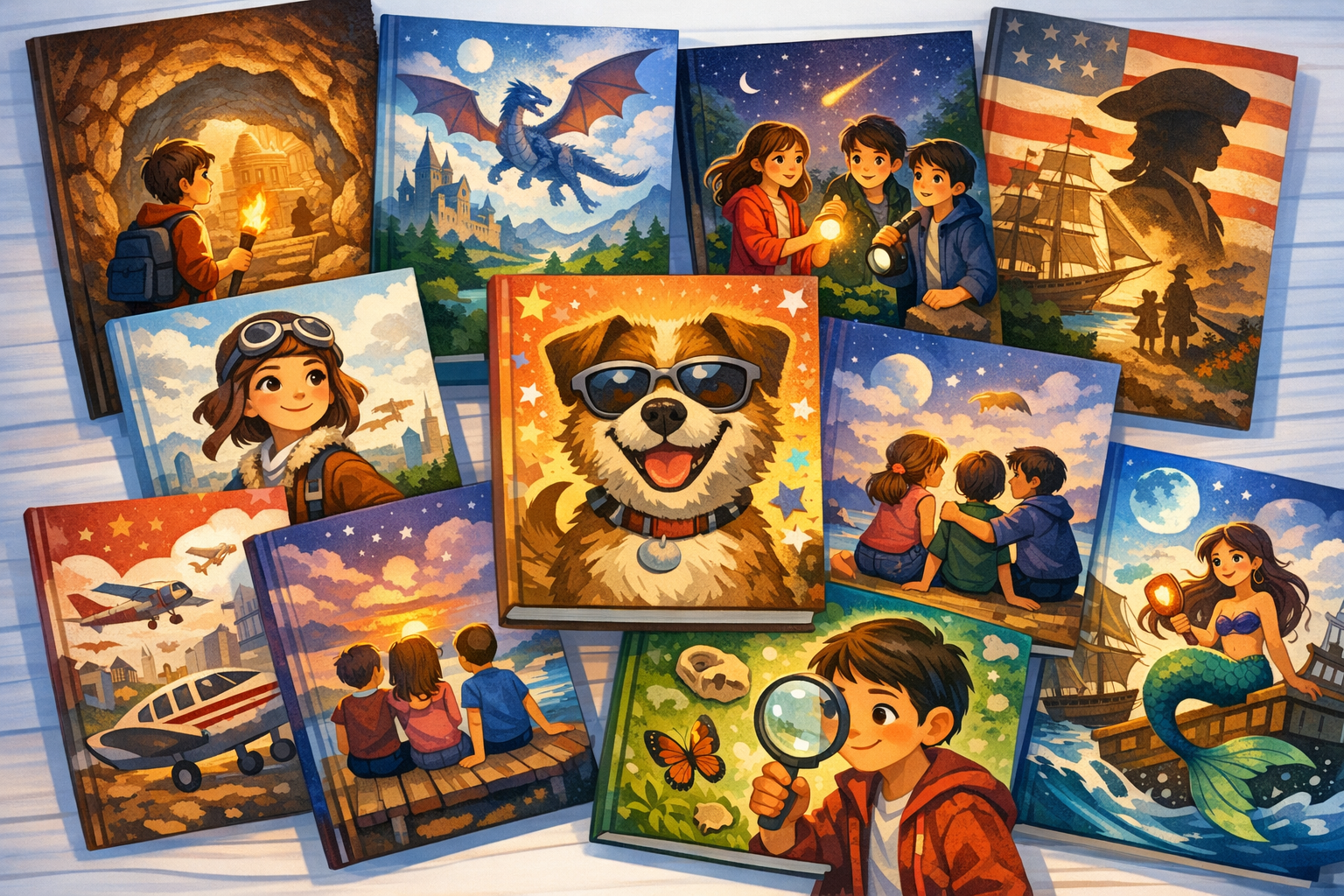
Between the ages of 9 and 12, children often become more independent readers. They are ready for richer characters, deeper themes, and longer stories, but they still benefit from books that feel exciting, relatable, and age-appropriate. The right book can build vocabulary, strengthen comprehension, spark imagination, and help children understand themselves and others.
At EiFO Academy, we believe reading should feel both meaningful and enjoyable. This guide shares recommended books for 9–12-year-olds across different interests, reading levels, and personalities.
How to Choose Books for 9–12-Year-Olds
Children in this age group vary widely in reading confidence. Some are racing through chapter books, while others are still building fluency. Instead of choosing only by age, consider your child’s interests, emotional maturity, and reading stamina.
- For reluctant readers: Try funny books, graphic novels, mysteries, or shorter chapters.
- For advanced readers: Offer books with layered plots, historical settings, or complex characters.
- For sensitive readers: Preview themes such as loss, fear, or conflict before recommending a book.
- For curious learners: Mix fiction with biographies, science books, and real-world stories.
Adventure and Fantasy Books
Adventure and fantasy books are excellent for developing imagination and problem-solving skills. They also encourage children to follow complex plots and understand character motivation.
1. Harry Potter and the Sorcerer’s Stone by J.K. Rowling
This modern classic introduces readers to Hogwarts, friendship, courage, and the magic of belonging. It is a strong choice for children who enjoy imaginative worlds, mysteries, and school-based adventures.
2. Percy Jackson and the Olympians: The Lightning Thief by Rick Riordan
Fast-paced, funny, and full of Greek mythology, this book is especially appealing to readers who like action and humor. It can also spark interest in ancient history and world myths.
3. The Chronicles of Narnia: The Lion, the Witch and the Wardrobe by C.S. Lewis
A timeless fantasy about bravery, loyalty, and good versus evil. Its accessible language and memorable world make it a wonderful read-aloud or independent reading choice.
Realistic Fiction About Friendship and Growing Up
Books about school, family, and friendship help children explore emotions and social situations in a safe way. These stories can build empathy and support social-emotional learning.
4. Wonder by R.J. Palacio
A powerful and compassionate story about kindness, acceptance, and seeing beyond appearances. This book is especially useful for family or classroom discussions about empathy and inclusion.
5. Because of Winn-Dixie by Kate DiCamillo
This warm story follows a girl and her dog as they bring people in a small town together. It is gentle, heartfelt, and ideal for readers who enjoy emotional but hopeful stories.
6. Frindle by Andrew Clements
A clever and entertaining school story about creativity, words, and the power of ideas. It is a great choice for children who like realistic fiction with humor and a strong classroom connection.
Mystery and Page-Turners
Mystery books encourage children to make predictions, notice details, and think critically. They are also great for readers who need a strong reason to keep turning pages.
7. The Westing Game by Ellen Raskin
This clever puzzle mystery challenges readers to follow clues and think carefully about characters’ motives. It is best for confident readers who enjoy twists and problem-solving.
8. Chasing Vermeer by Blue Balliett
Blending art, mystery, and friendship, this book is perfect for children who enjoy puzzles and creative thinking. It may also inspire interest in museums, paintings, and observation skills.
Humor and Lighthearted Reads
Funny books can be a bridge to stronger reading habits. When children laugh while reading, they are more likely to associate books with pleasure and confidence.
9. Diary of a Wimpy Kid by Jeff Kinney
With its cartoon-style format and humorous school situations, this series is popular with many middle-grade readers. It is especially helpful for children who feel intimidated by dense pages of text.
10. The BFG by Roald Dahl
Full of playful language and imaginative scenes, this story is funny, strange, and heartfelt. It can support vocabulary development because Dahl’s language encourages children to enjoy wordplay.
Historical Fiction and Meaningful Stories
Historical fiction helps children connect with the past through characters and emotions. These books can deepen understanding of history while strengthening empathy.
11. Number the Stars by Lois Lowry
Set during World War II, this moving novel introduces courage and moral choice in a way that is accessible for upper elementary readers. Parents may want to discuss the historical context alongside the story.
12. Esperanza Rising by Pam Muñoz Ryan
This beautifully written novel explores family, resilience, migration, and hope. It is a strong choice for mature readers who are ready for deeper themes and rich character growth.
Nonfiction and Biography Picks
Not every child falls in love with fiction first. Nonfiction can be just as powerful, especially for children who love facts, science, animals, history, or real-life heroes.
13. Who Was? and Who Is? Series by Various Authors
These short biographies introduce important figures in history, science, sports, arts, and culture. The format is approachable and ideal for children who enjoy learning in manageable chapters.
14. National Geographic Kids Books
Colorful, fact-filled, and visually engaging, these books are excellent for curious readers. Topics range from animals and space to geography and world cultures.
15. Hidden Figures Young Readers’ Edition by Margot Lee Shetterly
This inspiring nonfiction title tells the story of brilliant African American women mathematicians who contributed to NASA. It is a meaningful pick for readers interested in science, perseverance, and real-world achievement.
Quick Recommendation Table
| Interest | Recommended Book | Why It Works |
|---|---|---|
| Fantasy | Harry Potter and the Sorcerer’s Stone | Builds imagination and long-form reading stamina |
| Humor | Diary of a Wimpy Kid | Great for reluctant readers |
| Empathy | Wonder | Encourages kindness and discussion |
| Mystery | The Westing Game | Strengthens critical thinking |
| History | Number the Stars | Makes historical events personal and understandable |
| Nonfiction | Who Was? and Who Is? Series | Supports curiosity and background knowledge |
Tips to Build a Strong Reading Habit
- Let children choose sometimes. Choice creates ownership and motivation.
- Read together, even with older children. Shared reading can lead to meaningful conversations.
- Create a reading routine. Ten to twenty minutes a day can make a big difference.
- Talk about the book. Ask open questions like, “What would you do in that situation?”
- Balance challenge and enjoyment. Children should have access to both comfortable reads and stretch books.
The best book for a child is not always the most difficult one. It is the book that keeps them curious, confident, and eager to read more.
Final Thoughts
Books for 9–12-year-olds should open doors: to new worlds, new ideas, and new ways of understanding people. Whether your child prefers fantasy adventures, realistic school stories, funny diaries, mysteries, or nonfiction facts, there is a book that can meet them where they are and help them grow.
At EiFO Academy, we encourage families to treat reading as a joyful part of learning. A well-chosen book can support academic progress, emotional development, and a lifelong love of discovery.