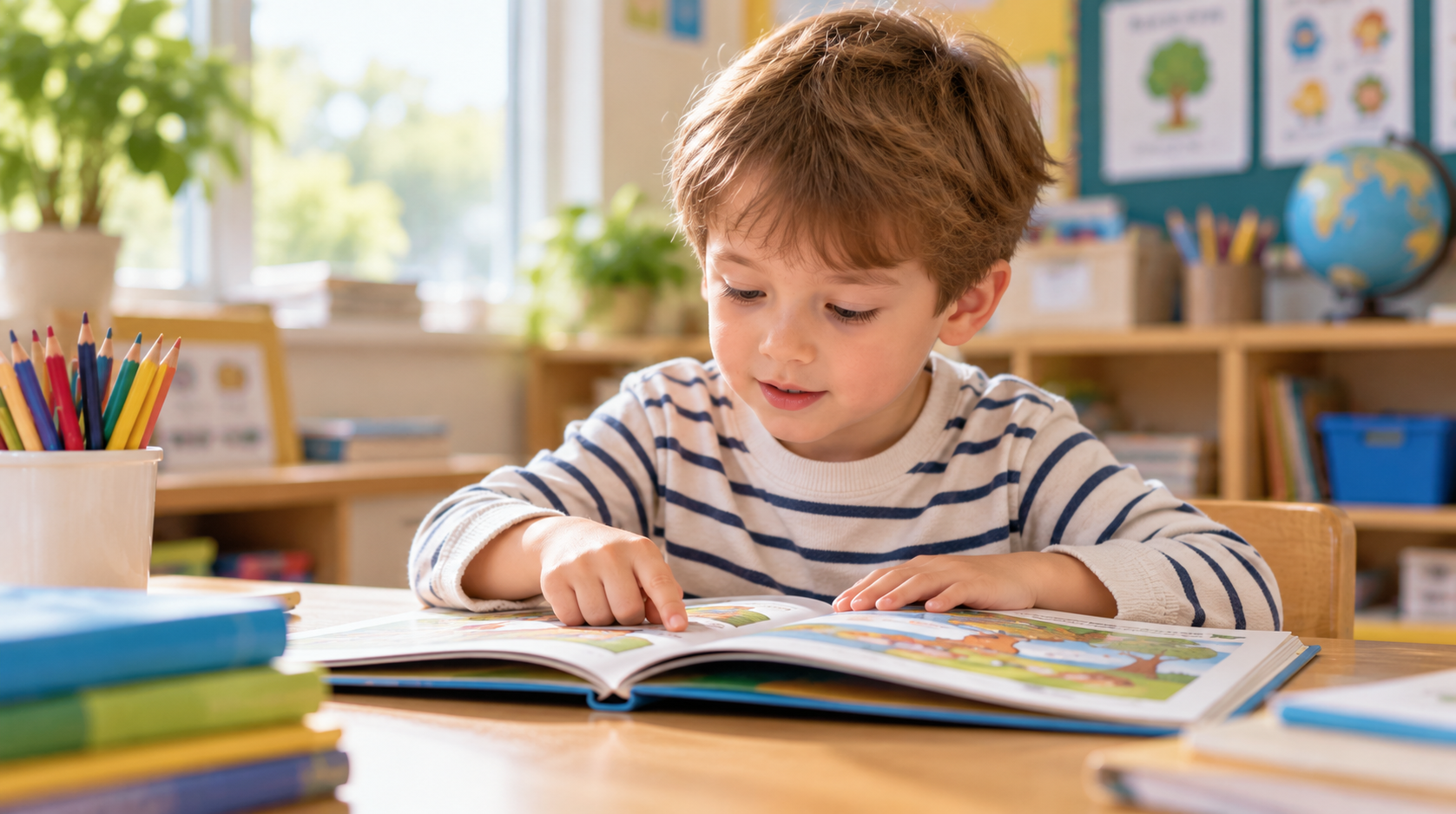
How to Keep Kids Learning During Summer Without Making It Feel Like School


Summer should feel like summer: relaxed mornings, outdoor play, family time, and room to explore. But many parents also worry about the “summer slide,” when children lose some of the academic progress they made during the school year.
The good news? Keeping kids learning during summer does not have to mean recreating school at home. In fact, children often learn best when they are curious, active, and emotionally engaged. The goal is not to fill every day with lessons. It is to weave learning into life in ways that feel fun, meaningful, and manageable.
Start With Curiosity, Not Curriculum
Instead of asking, “What should my child study this summer?” try asking, “What is my child already interested in?” A dinosaur phase can lead to reading, science, geography, drawing, and even math. A love of baking can build measurement skills, following directions, vocabulary, and problem-solving.
When children have a say in what they explore, learning feels less like an assignment and more like ownership. Give them choices such as:
- Would you rather learn about space, animals, inventions, or oceans this week?
- Do you want to read a mystery, a comic, or a book about real-life heroes?
- Should we build something, research something, or make a short presentation?
Choice is powerful. Even small decisions help children feel in control, which increases motivation and reduces resistance.
Use Everyday Moments as Learning Opportunities
Some of the best summer learning happens during ordinary routines. A grocery trip can become a math lesson. A walk around the neighborhood can become a science observation. Planning a family outing can build reading comprehension, budgeting, and time management.
Try these simple real-world learning ideas
- At the grocery store: Ask your child to compare prices, estimate the total, or find the best value.
- In the kitchen: Double a recipe, divide portions, or talk about how ingredients change when heated or mixed.
- On a walk: Identify plants, count birds, observe shadows, or describe the weather like a scientist.
- During travel: Read maps, calculate distance, journal about the trip, or learn about a destination’s history.
- At home: Let your child plan a small project, such as organizing a bookshelf or designing a backyard obstacle course.
These activities build academic skills while helping children see that learning is useful beyond the classroom.
Keep Reading Light, Flexible, and Enjoyable
Reading is one of the most effective ways to prevent summer learning loss. But it should not feel like a daily battle. The key is to make reading accessible and enjoyable.
Create a summer reading menu that includes different formats: chapter books, picture books, graphic novels, audiobooks, magazines, nonfiction, poetry, and even kid-friendly recipes or instructions. All of these support literacy skills.
When children discover that reading helps them laugh, imagine, build, cook, play, and understand the world, they begin to see it as a tool—not a task.
If your child is reluctant, try reading together for 10 minutes a day. Take turns reading pages, listen to an audiobook in the car, or let your child stay up 15 minutes later if they are reading. Positive associations matter.
Make Math Feel Like a Game
Math practice is important, but it does not need to look like a worksheet. Games, puzzles, and challenges can strengthen number sense, logic, memory, and flexible thinking.
Summer math ideas that feel playful
- Play card games that involve adding, comparing, or strategizing.
- Use sidewalk chalk to create number lines, multiplication hopscotch, or shape challenges.
- Build with blocks, tiles, or craft sticks to explore patterns and geometry.
- Ask your child to run a pretend store and make change.
- Track sports scores, weather, reading minutes, or steps and turn the data into a chart.
For older students, summer is a great time to revisit tricky skills in short, focused sessions. A few minutes of consistent review can make the transition back to school much smoother.
Create a Simple Summer Learning Rhythm
Children usually do better with some structure, but summer structure should feel lighter than the school-year schedule. Instead of planning every hour, create a predictable rhythm.
| Time of Day | Low-Pressure Learning Idea |
|---|---|
| Morning | Read for 15 minutes or complete a quick brain game |
| Afternoon | Try an outdoor science activity, art project, or building challenge |
| Evening | Share one new thing learned that day at dinner |
This kind of routine keeps learning alive without making the day feel rigid. It also helps children know what to expect, which can reduce pushback.
Let Projects Lead the Way
Project-based learning is ideal for summer because it blends creativity, research, planning, and problem-solving. A project can last one afternoon or several weeks, depending on your child’s age and interest.
Here are a few project ideas:
- Start a mini garden: Track plant growth, measure water, learn about sunlight, and write observations.
- Create a family newspaper: Interview relatives, write articles, draw comics, and edit for clarity.
- Design a dream city: Use maps, math, environmental thinking, and creative writing.
- Build a simple business: Plan a lemonade stand, handmade craft shop, or pet-sitting service.
- Make a documentary: Research a topic, write a script, record narration, and present findings.
Projects help children practice academic skills in context. They also build confidence because kids can see a finished product they are proud of.
Use Online Learning Strategically
Online learning can be a helpful summer tool when it is engaging, age-appropriate, and balanced with offline play. The best digital learning experiences are interactive, personalized, and encouraging—not just screen-based worksheets.
EiFO Academy supports families by offering online K-12 learning experiences that help children strengthen core skills, explore new subjects, and stay confident between school years. A short, consistent online session can give students the academic boost they need while still leaving plenty of time for summer fun.
For example, you might use online learning to:
- Review math or reading skills before the next grade level
- Build confidence in a subject that felt difficult during the school year
- Explore enrichment topics your child is curious about
- Maintain a routine during travel or busy family weeks
The key is balance. A focused 20 to 30 minutes can be more effective than a long session that leads to frustration.
Celebrate Effort More Than Output
Summer learning should build confidence, not pressure. Praise your child’s effort, curiosity, persistence, and creativity. Instead of saying only, “You got it right,” try:
- “I like how you tried a new strategy.”
- “You asked a thoughtful question.”
- “You kept going even when it was tricky.”
- “You made a really interesting connection.”
This helps children develop a growth mindset. They begin to understand that learning is not about being perfect; it is about exploring, practicing, and improving.
A Summer That Builds Both Skills and Joy
Keeping kids learning during summer does not require a strict schedule or a stack of workbooks. It starts with curiosity, everyday experiences, playful practice, and a little consistency. When learning feels connected to real life, children stay engaged and grow in ways that last far beyond the summer months.
With the right approach, summer can be more than a break from school. It can be a season of discovery, confidence, creativity, and joyful learning.